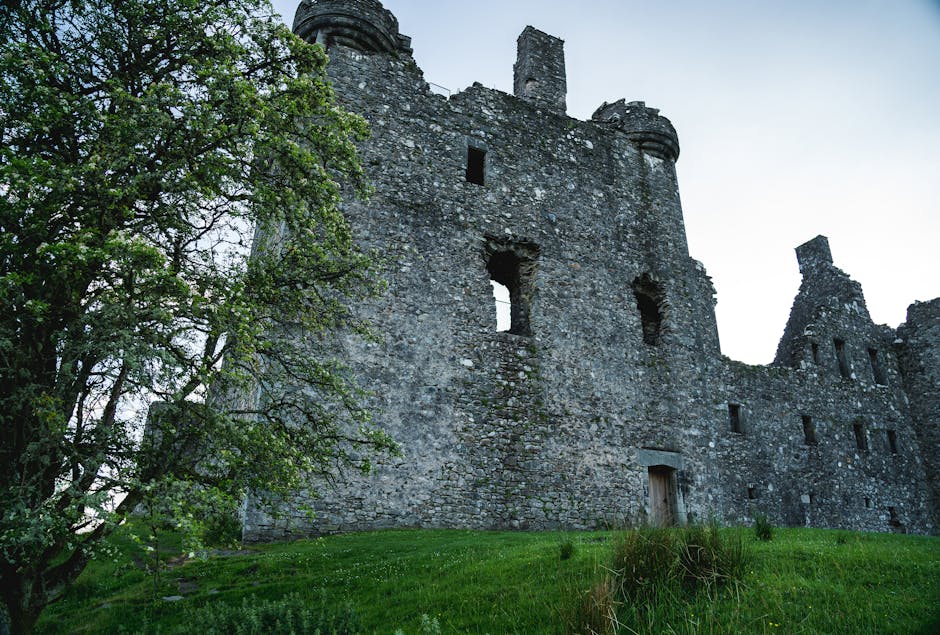
The Scottish Highlands possess a rich and complex history that shaped modern Scotland and influenced global culture. Understanding this background deepens your appreciation of the landscape and communities you encounter during your visit.
The Clan System
For centuries, the Highlands were organised into clans—extended family groups with their own territories, traditions, and leaders. Clan loyalty was paramount, and the system created a distinctive social structure quite different from Lowland Scotland. Many place names and family names reflect this clan heritage. Visiting clan museums and heritage centres helps you understand how this system functioned and its lasting cultural impact.
The Jacobite Era
The 17th and 18th centuries saw dramatic conflict between the Highlands and the British Crown. The Jacobite risings, particularly the famous 1745 rebellion led by Bonnie Prince Charlie, represent a crucial period in Highland history. Battlefields like Culloden tell stories of this turbulent era through museums and interpretive centres. Understanding this history provides context for the landscape and explains many local place names and monuments.
The Clearances
During the 18th and 19th centuries, landlords forcibly removed Highland communities to make way for sheep farming. This traumatic period, known as the Clearances, fundamentally changed Highland society and prompted mass emigration. Many Highland communities today still process this historical trauma. Learning about this period provides important perspective on contemporary Highland culture and identity.
Living Highland Culture
- Gaelic language, still spoken by some community members
- Traditional music and ceilidh dancing
- Highland Games featuring athletic competitions and cultural performances
- Whisky distilling as both historical craft and modern industry
- Traditional crafts including weaving and pottery
Visiting Cultural Sites
Museums throughout the Highlands interpret local history thoughtfully. Rather than simply viewing artefacts, many modern museums explore how history shaped contemporary life. Visitor centres at historical sites often employ local guides whose personal connections enrich the experience.
Respectful Engagement
Approach Highland history with sensitivity. The Clearances represent genuine tragedy that affected real families. Local people often have strong feelings about their heritage. Engaging respectfully—asking questions, listening to local perspectives, and supporting local businesses—honours the communities whose home you're visiting.
Taking time to understand Highland culture transforms your visit from simple tourism into meaningful cultural exchange. This deeper engagement creates more memorable experiences and genuine appreciation for the region.
